ABSTRACT
The purpose of this study was to investigate whether elective course work based nutrition education in university can change students' body composition and eating habits associated with obesity and its related health risk in first-year college students. A total of 38 students agreed and participated in the study. Participants received a series of lecture about obesity, weight management, and concepts of nutrition and food choices for 13 weeks. The students' BMI and body composition, including body fat and muscle contents, were measured. A 24-hour diet recall for two days was performed for food intake analysis, and the questionnaires for dietary behaviors were collected at the beginning and the end of the study. Paired t-test and χ2-test were used for statistical analysis. Data showed that most of the anthropometric parameters including body weight were not significantly changed at the end of the coursework. Interestingly, skeletal muscle contents in both obese (BMI ≥ 23) and lean (18.5 ≤ BMI ≤ 22.9) subjects were significantly increased. Total energy intake was decreased in total subjects after the study. Also, general nutrition behavior of the subjects including enough hydration and utilization of nutrition knowledge were significantly improved during the study period. The total number of responses to doing aerobic exercise was slightly increased after the study, but the average frequency of exercise in each individual was not changed. These results suggest that class-work based nutrition education on a regular basis could be a time and cost effective method for improving body composition and nutritional behavior in general college students.
-
Keywords: Skeletal muscle; Energy intake; Nutrition education
Introduction
Obesity is defined as an over-accumulation of body fat and a risk factor for several metabolic diseases such as diabetes, hyperlipidemia and cancer [
1]. Obesity also contains a psychological element as it can discourage an individual from engaging in many parts of social activities [
2-
4]. The World Health Organization (WHO), defines, obesity as a disease and classifies obesity as a more severe disorders than any other threats to the public health, including malnutrition or inflammatory diseases [
1]. Various factors or combination of these have been proposed as a cause of obesity and these include: dysregulation of energy consumption and expenditure, inappropriate dietary habits, lack of exercise, psychological problems, genetic and dysregulation of the endocrine system [
1,
2,
4,
5]. Hence, many kinds of weight-management program such as exercise treatment, psychological therapy, medication and diet therapy have been developed to help obese individual to lose their weight and enhance their overall health conditions [
6-
10]. Although many kinds of weight-management programs including diet therapy were proved to be effective in reducing body weight of study subjects, these interventions mostly focused on actual weight loss but the importance of food conception or nutritional behavior for maintaining reduced body weight were largely ignored. Especially for short-term weight management program, a caution is always necessary to avoid side effects of weight loss like yo-yo effect or developing an eating disorder (e.g. anorexia nervosa, bulimia) [
11] so establishing good nutrition habits which have long term effects on maintaining good overall health as well as appropriate body weight should be a primary focus in validating an efficacy of those weight-management programs.
Many college students experience changes in their life patterns and a weakening of dietary habits during their college years [
12]. Numerous literatures reported that college students have inappropriate eating habits such as: skipping meals, choosing unhealthy food and high-energy intake with high fat and sodium but with low calcium and iron consumption [
12]. The lifestyles of young adults including their dietary patterns established during college years, have significant influences on the health of their prospective family, and even themselves [
13]. Additionally, an unhealthy diet and the body composition of college students may lead to unfavorable physiological consequences in their future [
14,
15]. Although some health promoting studies recruited college students as a program participants or provided an intervention to a specific group of students for weight management [
2,
7,
9], only a limited number of studies exist in health promoting programs targeted for college students who have a broad range of social and family background. Therefore, class settings in college may serve as an appealing option to provide a channel to efficiently deliver health information in which to address nutritional and physical activity behaviors associated with obesity for college students. The purpose of this study was to investigate if nutrition education on a regular basis during elective course work in college setting can change obesity related nutritional behavior and body composition in general college students and also compare the response to 13 weeks of nutrition education between obese/overweight and normal weight college students.
Materials and Methods
Subjects
During the fall of 2011, a total of 54 healthy college students between the ages of 19 and 22 years who enrolled in a basic freshmen-level nutrition and weight management class at a university in the Gyeongbuk area participated in the study. Among them, 10 participants were excluded from the final analysis. Reasons of exclusions were illnesses affecting food intake during the data collection period, or incomplete or unreliable data. The study population consisted of undergraduate students from various majors. Participants were informed that the purpose of the study was to obtain data to develop a nutrition education intervention program for college students. Of those who participated in the study, only the results of the subjects who agreed to the purpose of the study and followed each step had their data collected. The initial measurements, including a dietary survey, were done at the beginning of the study (the first week of the class) and referred to as "pre" and "post" anthropometric measurement. Dietary assessments were done at 13 week after the initial measurements (four-teenth week of the class) and, as a result, a total of 38 subjects (21 males and 17 females) completed all procedures of this study and were subjected to statistical analysis.
Anthropometric measurement
The height and weight of the subjects, wearing light under-clothes and no shoes, were measured in kilograms to the nearest ± 0.1 kg using an automatic scale (JENIX, Seoul, Korea) and the mean values of the measurements were calculated. For classification of the degree of obesity in study subjects body mass index (BMI) was calculated as body weight (kg) / [height (m)]
2. The percentage of body fat and the waist circumference were computed by bioelectric impedance analysis using the InBody 3.0 (Biospace, Seoul, Korea) as previously described [
16]. The mean value was calculated after carrying out all measurements 2 times. After obtaining the BMI values, subjects were classified into two groups: lean group - 18.5 ≤ BMI ≤ 22.9 (17 subjects) and obese group - at 23 ≤ BMI (21 subjects). The gender distribution was not significantly different between each BMI group.
A dietary intake survey was carried out through the 24-hour recall method and the dietary intake records for two consecutive days were collected. They were told to avoid days with special events or exam days for reporting dietary intake. Pictures or photos for food, measuring cups and tableware were used to illustrate proper portion sizes and to help experimental participants accurately recall the food they had eaten. The type of food, food ingredients and portion size during a regular day were analyzed for each meal: breakfast, lunch, dinner, and snacks. Dietary analyses including calculation of the intake of calcium, sodium, and iron were performed by using the CAN-Pro 3.0 program, developed by the Korean Nutrition Society.
Nutrition education and questionnaire
The class met once a week for 100 minutes per session over a 13-week period. Class lectures covered topics that addressed overall dietary quality, including: the importance of nutrition in maintaining normal body functions, the concept and assessment of obesity, diet strategies for reducing body weight, desirable nutritional behaviors for maintaining normal body weight, encouraging physical activity to gain muscle and improve energy metabolism; discouraging over-reliance on dietary supplements and the side effects of substantial weight loss. For the analysis of their nutrition behavior, a self-administered questionnaire was distributed to each participant. The questionnaire was composed of 20 items including 1. Skipping meals, 2. Skipping breakfast, 3. Having meals on time, 4. Not being picky about food during meal time 5. No binge eating, 6. Not hurrying in having a meal, 7. Chewing a food well before swallowing, 8. Focusing on eating during meals, 9. Being patient with your appetite, 10. Not eating late at night, 11. Drinking enough water every day, 12. The frequency of drinking alcoholic beverage, 13. Making a list before going to the grocery store, 14. Frequency of eating-out, 15. Not eating salty foods, 16. Not eating instant food, 17. Having food with protein at least two meals every day, 18. Having fruits or vegetable at every meal, 19. Having dairy products at every meal, 20. Utilizing of nutrition knowledge in daily life. The responses of questionnaires were evaluated using a five point scale (1. Never performed: strongly disagree - 5. Performed nearly every day: strongly agree) and calculated the average score of responses in each item.
Statistical analysis
SAS program (version 9.2, SAS Institute, Cary, NC, USA) was used to calculate the average and standard deviation from all study results. A paired t-test was employed to determine the difference between pre- and post study and χ2-test was used to determine the difference of distribution between variables. All statistical significance was verified at the level of p < 0.05.
Results
General characteristics
The average height, weight, and BMI and skeletal muscle contents were 174.1 ± 1.4 cm, 73.1 ± 2.6 kg, 24.0 ± 0.7 kg/m
2, 31.7 ± 1.1 for male students and 162.2 ± 1.3 cm, 61.4 ± 2.7 kg, 23.2 ± 0.8 kg/m
2, 21.8 ± 0.8 for female students, 168.8 ± 2.6 cm, 67.9 ± 2.6 kg, 23.7 ± 0.8 kg/m
2, 27.2 ± 1.0 for total subjects respectively. The average height, weight, BMI and skeletal muscle content of men were significantly higher than those of women (
Table 1). Interestingly, the body fat percent in female students (32.6 ± 1.5 %) is significantly higher than that of male students (21.3 ± 1.5%).
Anthropometric changes at the beginning of (pre) and after nutrition education (post) are reported in
Table 2. There are no significant differences in body weight, body fat percent, BMI or hip circumferences were found between pre and post measures in lean, obese and total subjects. The paired t tests revealed an increase of skeletal muscle content from pre- to post measures regardless of the condition of obesity. The degree of increase in skeletal muscle content was subtle (1.2 - 2.4%), but statistically significant. A statistically significant increase in abdominal fat was demonstrated between pre- and post measured lean subjects (
Table 2).
The daily intakes of total energy, protein and fat for obese subjects were higher than those for lean subjects (1875.7 kcal vs. 1790.8 kcal, p < 0.01, 72.0 g vs. 68.4 g, p < 0.05, 50.5 g vs. 45.6 g, p < 0.05). The daily intakes of total energy at the beginning of the study were significantly reduced after the study by 19.5% (p < 0.05), 11.9% (p < 0.05) and 15.8% (p < 0.01) in obese, lean and total subjects, respectively. However, daily intakes of protein were significantly decreased and daily intakes of fat were not significantly different between pre and post measurement in both obese and lean subjects (
Table 3). The daily mean intakes of the subjects in the beginning of study were 398.6 mg for calcium, 3321.0 mg for sodium, and 11.9 mg for iron (
Table 3). The intake ratios of protein and other major nutrition per energy consumption were not significantly different between pre and post measurement in total subjects. Normalized to total energy consumption intake of fat was increased by 18.7% after the study only in total subject (p < 0.05) due to the reduction of total energy intake of the subjects.
Overall, the consumption of fruit and dairy products was low at the beginning of the study. The average consumption of fruits and dairy products of study participants were 0.4 servings and 0.2-0.4 servings, respectively, only about 25% of the daily recommendation for fruit and dairy product intake (
Table 4). Paired t-tests revealed no differences in food consumption from pre- to posttest regardless of an obese condition. The consumption of cereal in lean and total subjects and the consumption of vegetables in obese and total subjects were significantly decreased after the study (
Table 4).
Changes in several components of nutritional behaviors during nutrition education in obese, lean and total subjects are presented in
Table 5. Students participating in this study demonstrated an improvement in the utilization of nutritional knowledge (
Table 5). The paired t tests revealed that scores on the utilization of nutritional knowledge increased and the numbers of students who received higher scores also significantly increased. An analysis of the nutritional behaviors in obese and total subjects revealed that scores on not hurrying a meal and making a list before grocery shopping were significantly increased after the study. In lean subjects, their scores of nutritional behavior on having a meal on time increased after the study but their scores focusing on eating during a meal decreased. During the coursework period, the frequency of aerobic exercise was slightly increased but was not statistically significant (
Table 6). Also, the average frequency of both aerobic and weight training exercises in each individual was not changed.
Discussion
The present study evaluated the effectiveness of a class based nutrition education in college students in their willingness to change food intake to achieve weight loss and to improve general health habits and assessed differences in body composition of study subjects. This research found that exposure to a class based nutrition education for college students induced transitional changes including: decrease of calorie intake, increase of skeletal muscle content and improvement of nutritional habits to help body weight management and meet the recommendations of proper food and nutrient intake.
The most remarkable finding during the nutritional education in this study was the reduction in total energy intake of study subjects. Initially consumption of energy and nutrients of study subjects was similar to the calorie intake of college students reported in previous studies. For example the study of Hong et al. (2012) reported that the average consumption of total calorie in Korean college female students in nutrition education program was in range of 1707 ± 344 kcal [
17]. Also, the average total energy intake of Korean male college students was 1695.2 ± 51.9 kcal [
18]. Overall nutrients and caloric intake, and food consumption is high in obese subjects, explaining their consumption of certain nutrients and vegetables to be higher. The magnitude of reduction in energy intake after nutrition education in this study was much higher than other study [
19] which explored the effect of nutrition education on weight loss. On the other hand, this study did not show much improvement in food consumption while Ha et al. [
20] showed that taking a general nutrition course at college enhanced students' fruit and vegetable consumption after nutrition education. Since the magnitude of calorie reduction is relatively high in this study, the overall food consumption was decreased and led to the reduction in certain types (e.g. cereal) of food which is usually a main source of energy.
The present investigation resulted in significant increases in skeletal muscle content which usually occur in conjunction with the increase of body water content as a part of transitional changes to acquire desirable body composition during weight management activities [
10,
21,
22]. Those changes, however, are usually accompanied with the increases of energy intake in study participants [
21,
22]. Since the energy intake is much reduced in this study, the subtle changes in muscle contents of the subjects may not be due to nutritional education but may be due to a change of other behavior such as an increase of physical activity or an increase of hydration rate which has been known to increase of skeletal muscle mass [
19,
23,
24-
26]. Though this 13 weeks intervention of nutrition education did not reduce body weight, the increase of muscle content and improvement in nutritional behavior of the subjects in this study still suggest that this class based nutrition education at least induced promising changes in weight and general health management.
This finding is consistent with previous studies that showed positive changes in dietary behavior such as an improvement in regular meal time and the utilization of nutritional knowledge after nutrition education interventions with college students [
6,
7,
9,
19]. At the beginning of the study, only 13% of total study participants ate more than one serving of fruit per day, though the average consumption of fruit (0.4) was similar or less than previous studies [
20,
27]. After the coursework this number increased up to 26%. However, overall, study participants did not meet the recommended intake of most type of food in this study. The effectiveness of nutrition education in weight management, food choice and nutritional behavior was well addressed in a wide range of literature [
27-
29]. For example, school based nutrition education decreased soft drink consumption but increased milk and dairy products in female and male college students [
27]. Nutrition education via e-mail supply improved the intake of dairy products and self regulation strategies to increase low fat dairy products [
28]. Also, improved nutritional knowledge and confidence in the adequacy of their diet after completing a basic college nutrition course was reported [
29]. The elective course work regarding diet and weight management in this study was composed of discussing strategies how to prevent weight gain, fat accumulation and how to improve body weight in the context of food and nutrition intake. In addition, class lectures not only encouraged students to try to reduce body weight and calorie intake, but also motivated them to change overall eating behaviors and their lifestyle by using a variety of class activities and contents (self diagnosis of their stress levels, calculate proper energy need based on their physical activity etc.). This approach may have helped students relate the class material more directly to their own dietary habits, thereby giving them more awareness and motivation to change their own dietary behaviors. However, the changes scored in nutrition behaviors are subtle in this study compared to previous studies which assessed the effect of nutrition education on nutrition or health behaviors [
6,
7,
9,
19] indicating efficacy of the course work in this study was weaker than that of previous studies.
This study also revealed a few limitations. Male and female students are obviously different in nature in anthropometric conditions and nutritional requirement. Also, several researchers have demonstrated that males tend to resist changing their habit and social pressure for health conscious but females have a relatively positive attitude toward healthy eating and behaviors than male students [
20,
30,
31]. Though a paired comparison was applied to assess the effectiveness of nutrition education on weight management and behavior in each participant, the result of this study could not differentiate gender differences due to the small number of study subjects. Also students enrolled in the elective course work may already be more conscious about a healthy diet and weight management compared to typical college students. This may lead the result that students were more amenable to respond to course work. In addition, this study could not adjust housing, economic status and social environment of each subject which could be a confounding factor in assessing the effectiveness of this coursework based nutrition education on body composition and nutrition intake [
32]. Importantly, results of this study could be biased due to the lack of a "control" group who was subjected to the same anthropometric and dietary assessments without receiving a nutrition education through participating elective course work. These caveats should be considered in future nutrition education intervention by incorporating effective and specific tools reflecting gender differences or each different social status for motivating nutrition behavior.
In conclusion, this research suggested a possibility that class-based nutrition education intervention could lead to an improvement of weight management, body composition, nutrition intake and behavior. Particularly for college students, this result is important since their health habits in this life cycle may extend to their whole life, could affects health of our society in the context of their influence of dietary habits to their household. Though this 13-weeks nutrition education did not reduce the body weight of the subjects in this study, students gained positive conciousness for a desirable weight management and body composition by an increase of muscle content and a decrease of energy consumption. These short-term transitional changes suggest that course work based nutrition education with academic commitment could be a time and cost effective way to improve body composition and nutritional behavior in college students regardless of their major, housing status, gender, and year in college. Future research should account for the limitations of this study in large sample size, follow-up study after nutrition education and adjusting social and family status of participants to validate the long-term effects of a course work based nutrition education on changes in dietary behavior.
Acknowledgments
This research was supported by grants from the National Research Foundation of Korea (NRF) funded by the Ministry of Education, Science and Technology (2012R1A1A1019253). This manuscript was also supported by a 2012 general research grant from Kyungil University.
REFERENCES
- 1. James WP. WHO recognition of the global obesity epidemic. Int J Obes (Lond) 2008;32(Suppl 7):S120-S126.
- 2. Levitsky DA, Garay J, Nausbaum M, Neighbors L, Dellavalle DM. Monitoring weight daily blocks the freshman weight gain: a model for combating the epidemic of obesity. Int J Obes (Lond) 2006;30:1003-1010.
- 3. Velho S, Paccaud F, Waeber G, Vollenweider P, Marques-Vidal P. Metabolically healthy obesity: different prevalences using different criteria. Eur J Clin Nutr 2010;64:1043-1051.
- 4. Ogden CL, Carroll MD, Curtin LR, Lamb MM, Flegal KM. Prevalence of high body mass index in US children and adolescents, 2007-2008. JAMA 2010;303:242-249.
- 5. Bu SY, Mashek DG. Trans fats: foods, facts, and biology. Minn Med 2008;91:41-44.
- 6. Fullerton G, Tyler C, Johnston CA, Vincent JP, Harris GE, Foreyt JP. Quality of life in Mexican-American children following a weight management program. Obesity (Silver Spring) 2007;15:2553-2556.
- 7. Johnston CA, Tyler C, Fullerton G, Poston WS, Haddock CK, McFarlin B, Reeves RS, Foreyt JP. Results of an intensive school-based weight loss program with overweight Mexican American children. Int J Pediatr Obes 2007;2:144-152.
- 8. Anderssen SA, Carroll S, Urdal P, Holme I. Combined diet and exercise intervention reverses the metabolic syndrome in middle-aged males: results from the Oslo Diet and Exercise Study. Scand J Med Sci Sports 2007;17:687-695.
- 9. Savoye M, Berry D, Dziura J, Shaw M, Serrecchia JB, Barbetta G, Rose P, Lavietes S, Caprio S. Anthropometric and psychosocial changes in obese adolescents enrolled in a Weight Management Program. J Am Diet Assoc 2005;105:364-370.
- 10. Savoye M, Shaw M, Dziura J, Tamborlane WV, Rose P, Guandalini C, Goldberg-Gell R, Burgert TS, Cali AM, Weiss R, Caprio S. Effects of a weight management program on body composition and metabolic parameters in overweight children: a randomized controlled trial. JAMA 2007;297:2697-2704.
- 11. Amigo I, Fernández C. Effects of diets and their role in weight control. Psychol Health Med 2007;12:321-327.
- 12. Betts NM, Amos RJ, Georgiou C, Hoerr SL, Ivaturi R, Keim KS, Tinsley A, Voichick J. What young adults say about factors affecting their food intake. Ecol Food Nutr 1995;34:59-64.
- 13. Georgiou CC, Betts NM, Hoerr SL, Keim K, Peters PK, Stewart B, Voichick J. Among young adults, college students and graduates practiced more healthful habits and made more healthful food choices than did nonstudents. J Am Diet Assoc 1997;97:754-759.
- 14. Tirosh A, Afek A, Rudich A, Percik R, Gordon B, Ayalon N, Derazne E, Tzur D, Gershnabel D, Grossman E, Karasik A, Shamiss A, Shai I. Progression of normotensive adolescents to hypertensive adults: a study of 26,980 teenagers. Hypertension 2010;56:203-209.
- 15. Tirosh A, Shai I, Afek A, Dubnov-Raz G, Ayalon N, Gordon B, Derazne E, Tzur D, Shamis A, Vinker S, Rudich A. Adolescent BMI trajectory and risk of diabetes versus coronary disease. N Engl J Med 2011;364:1315-1325.
- 16. Bu SY, Choi MK. Daily manganese intake status and its relationship with oxidative stress biomarkers under different body mass index categories in Korean adults. Clin Nutr Res 2012;1:30-36.
- 17. Hong MS, Pak HO, Sohn CY. Comparative study of food behaviors and nutrients intake according to the bone mineral density of female university students. Korean J Food Nutr 2012;25:156-162.
- 18. You JS, Park JY, Chang KJ. A case-control study on the dietary taurine intake, nutrient status and life stress of functional constipation patients in Korean male college students. J Biomed Sci 2010;17(Suppl 1):S41.
- 19. Matvienko O, Lewis DS, Schafer E. A college nutrition science course as an intervention to prevent weight gain in female college freshmen. J Nutr Educ 2001;33:95-101.
- 20. Ha EJ, Caine-Bish N. Effect of nutrition intervention using a general nutrition course for promoting fruit and vegetable consumption among college students. J Nutr Educ Behav 2009;41:103-109.
- 21. Deibert P, König D, Schmidt-Trucksaess A, Zaenker KS, Frey I, Landmann U, Berg A. Weight loss without losing muscle mass in pre-obese and obese subjects induced by a high-soy-protein diet. Int J Obes Relat Metab Disord 2004;28:1349-1352.
- 22. Thomas DM, Bouchard C, Church T, Slentz C, Kraus WE, Redman LM, Martin CK, Silva AM, Vossen M, Westerterp K, Heymsfield SB. Why do individuals not lose more weight from an exercise intervention at a defined dose? An energy balance analysis. Obes Rev 2012;13:835-847.
- 23. Johannsen DL, Knuth ND, Huizenga R, Rood JC, Ravussin E, Hall KD. Metabolic slowing with massive weight loss despite preservation of fat-free mass. J Clin Endocrinol Metab 2012;97:2489-2496.
- 24. Mero AA, Hulmi JJ, Salmijärvi H, Katajavuori M, Haverinen M, Holviala J, Ridanpää T, Häkkinen K, Kovanen V, Ahtiainen JP, Selänne H. Resistance training induced increase in muscle fiber size in young and older men. Eur J Appl Physiol 2013;113:641-650.
- 25. Weitkunat T, Knechtle B, Knechtle P, Rüst CA, Rosemann T. Body composition and hydration status changes in male and female open-water swimmers during an ultra-endurance event. J Sports Sci 2012;30:1003-1013.
- 26. Baar K, Esser K. Phosphorylation of p70(S6k) correlates with increased skeletal muscle mass following resistance exercise. Am J Physiol 1999;276:C120-C127.
- 27. Ha EJ, Caine-Bish N, Holloman C, Lowry-Gordon K. Evaluation of effectiveness of class-based nutrition intervention on changes in soft drink and milk consumption among young adults. Nutr J 2009;8:50.
- 28. Poddar KH, Hosig KW, Anderson-Bill ES, Nickols-Richardson SM, Duncan SE. Dairy intake and related self-regulation improved in college students using online nutrition education. J Acad Nutr Diet 2012;112:1976-1986.
- 29. Mitchell SJ. Changes after taking a college basic nutrition course. J Am Diet Assoc 1990;90:955-961.
- 30. Shepherd R, Dennison CM. Influences on adolescent food choice. Proc Nutr Soc 1996;55:345-357.
- 31. Backman DR, Haddad EH, Lee JW, Johnston PK, Hodgkin GE. Psychosocial predictors of healthful dietary behavior in adolescents. J Nutr Educ Behav 2002;34:184-192.
- 32. Boniface DR, Cottee MJ, Neal D, Skinner A. Social and demographic factors predictive of change over seven years in CHD-related behaviours in men aged 18-49 years. Public Health 2001;115:246-252.
Table 1Anthropometric characteristics of the subjects
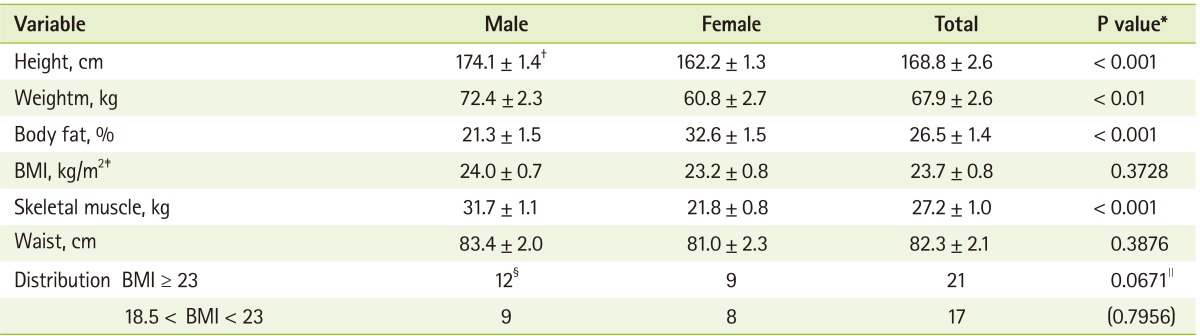
Table 2Changes in anthropometric measurement of the subjects
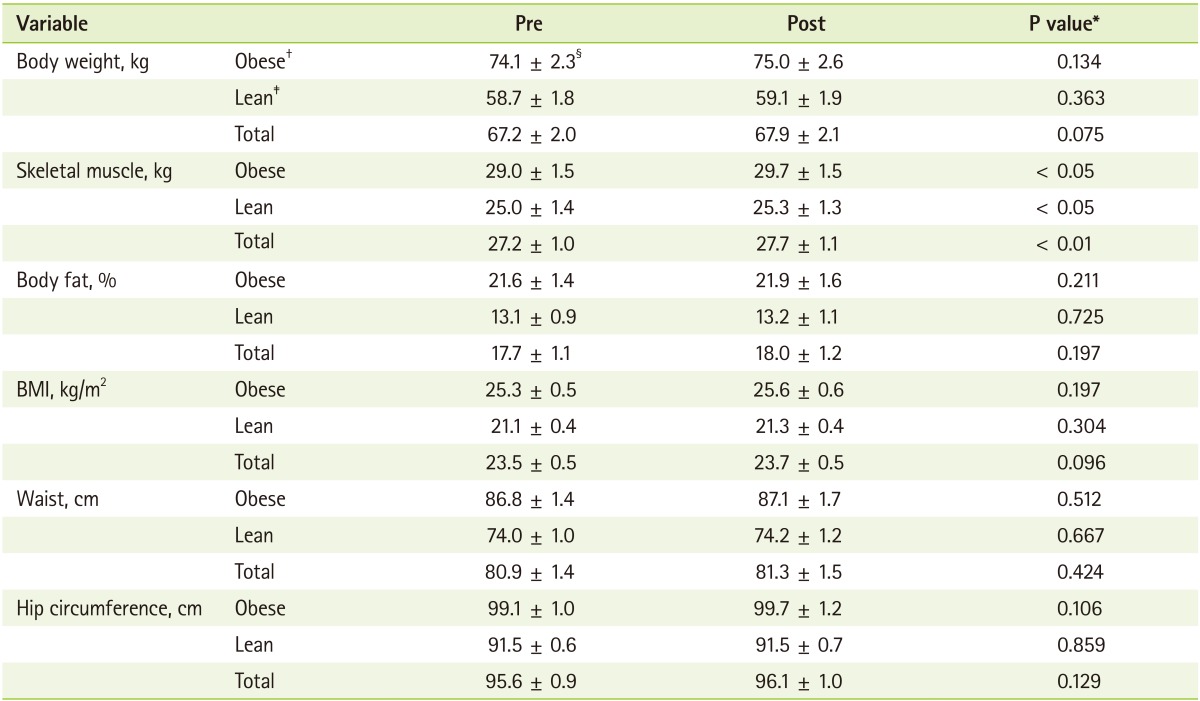
Table 3Changes of energy intake and food consumption of the subjects
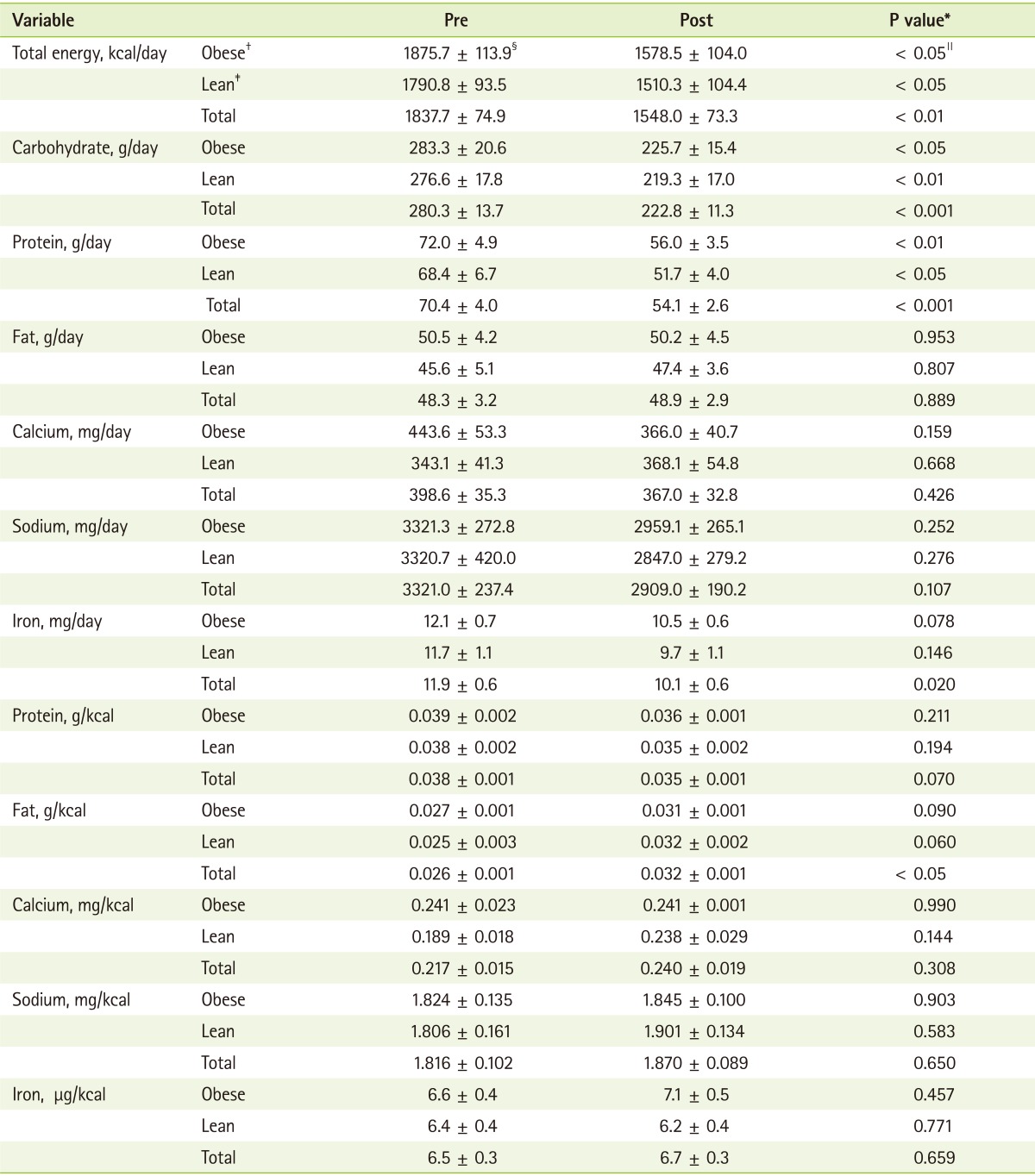
Table 4Changes of food consumption of the subjects
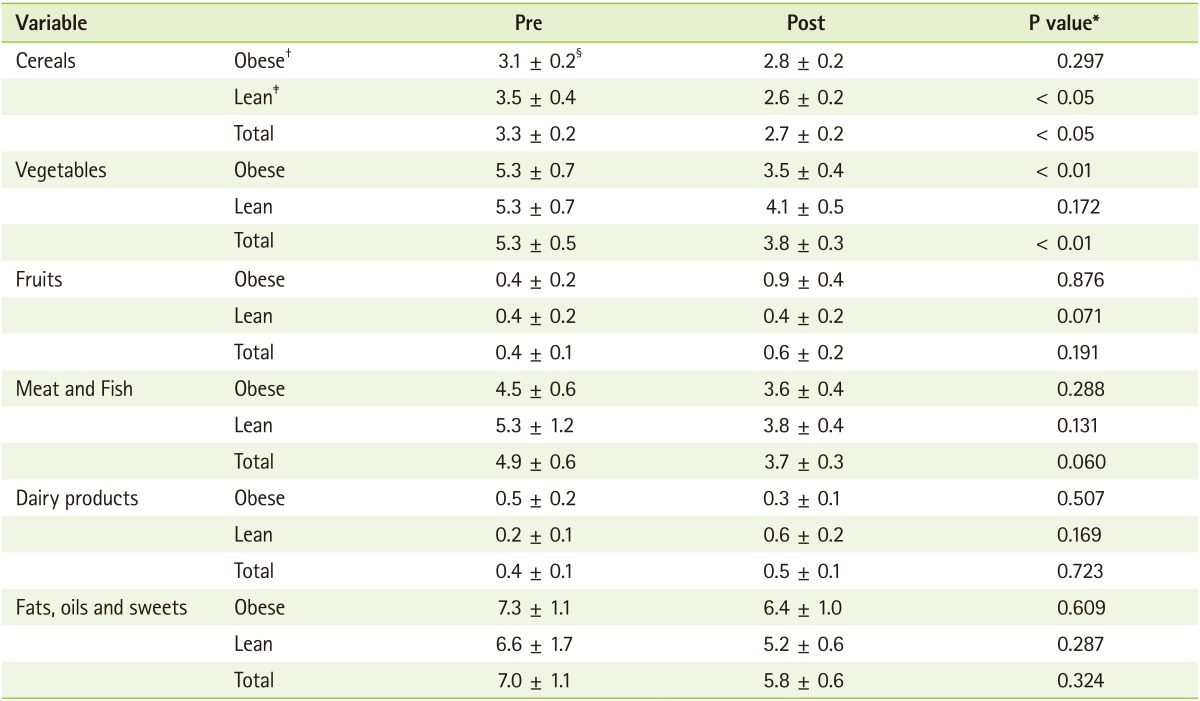
Table 5Change of nutrition behavior of obese subjects during course work period
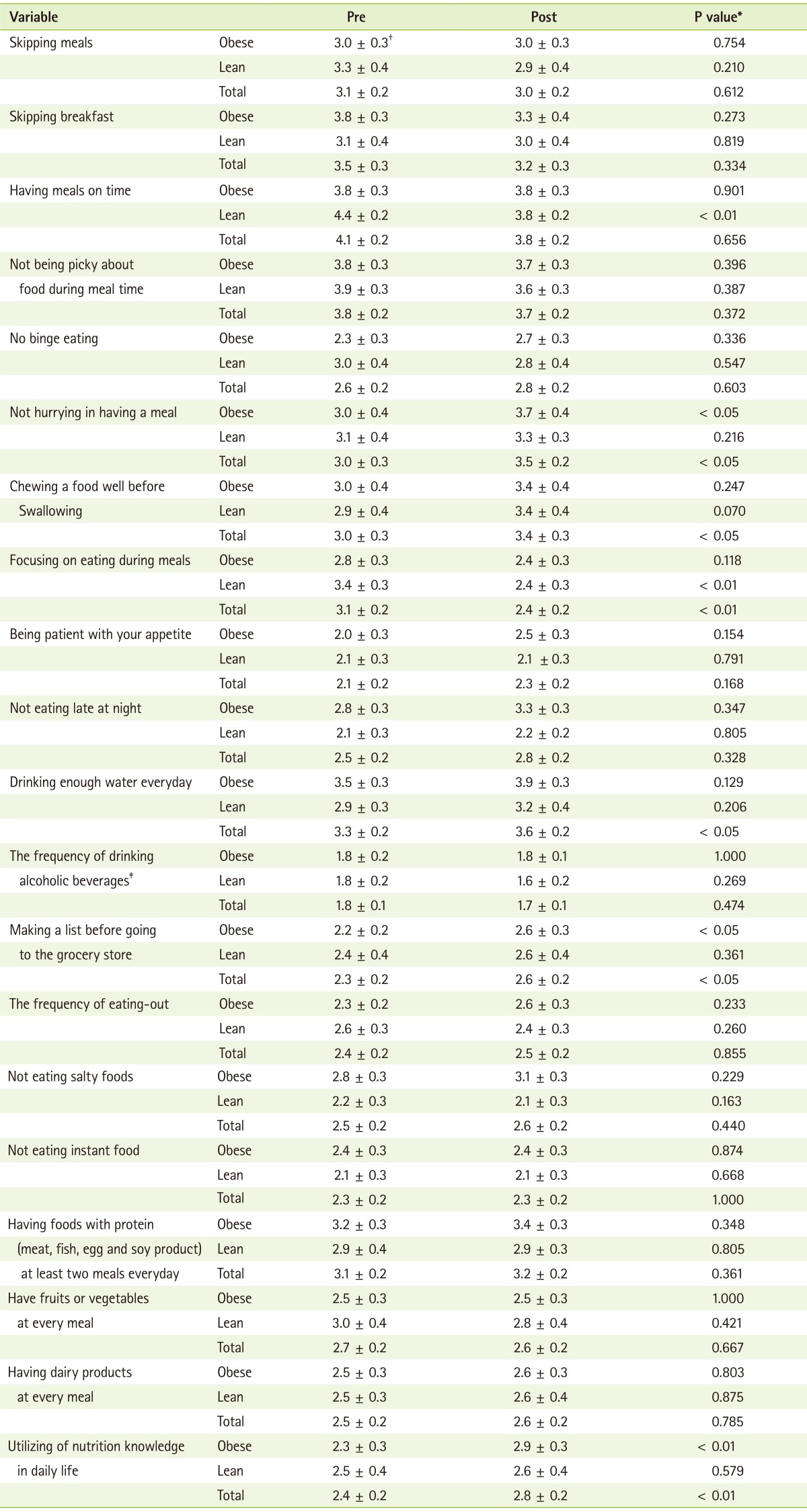
Table 6Change of exercise habits of the subjects during the nutrition education